In the water delivery industry, the liquid is cheap; the container is expensive. Understanding the economics of the 19-liter polycarbonate bottle is the first step to unlocking profitability.
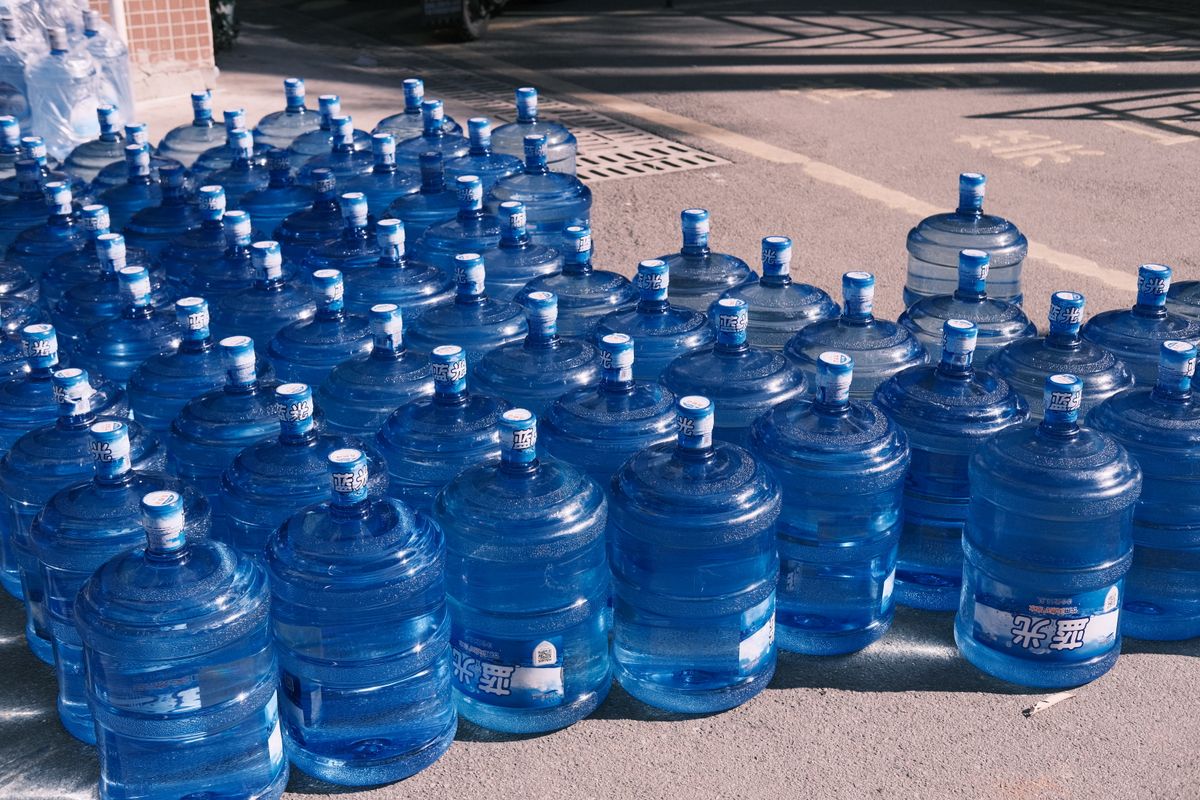
A single 19-liter water bottle costs approximately Rs 500 to Rs 700 to purchase new. The water inside it, even after reverse osmosis filtration, UV sterilization, and mineral fortification, costs less than Rs 10. Yet, water plants routinely lose hundreds of these bottles every month. This is the container-loss problem, and it is the single biggest threat to a plant's balance sheet.
The Anatomy of Container Loss
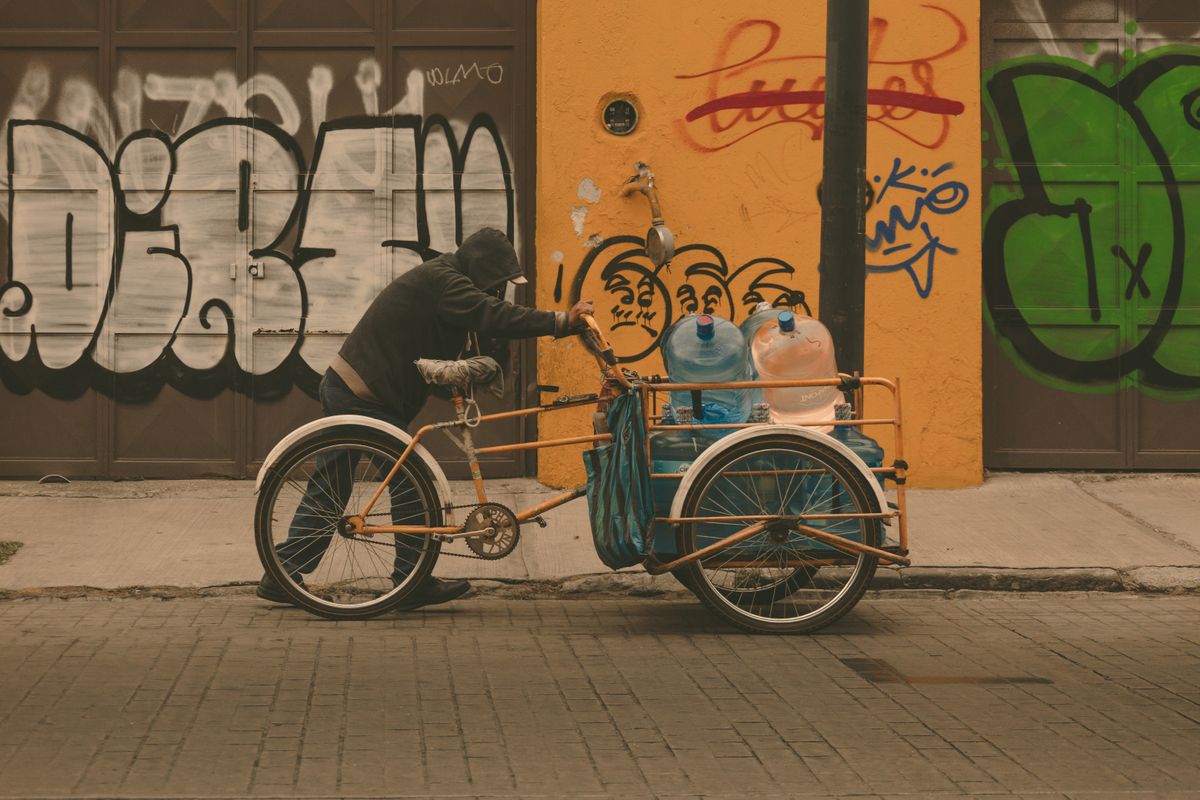
Why do bottles vanish? In a paper-based delivery setup, tracking is aggregate, not granular. A rider leaves the warehouse with 60 filled bottles. Throughout the day, they make 35 stops. At some stops, they exchange a full bottle for an empty one. At other stops, they leave a bottle on "credit," expecting to pick up an empty on the next trip. Some customers return a bottle from a competitor brand instead of the plant's own bottle.
When the rider returns with 52 empty bottles and 3 competitor bottles, the plant supervisor has no way of knowing:
- Which customer failed to return a bottle?
- Which customer returned a damaged container?
- At which residential address was a bottle left without cash or container exchange?
Over a month, a single vehicle running two routes a day can accumulate a deficit of 80 to 120 bottles. For a medium-sized plant operating 5 vehicles, this translates to upwards of Rs 60,000 in monthly capital loss.
DooGhoont's Serialization Solution
DooGhoont introduces digital ownership tracking. By applying weather-resistant, heavy-duty QR/barcode labels to each bottle, we assign a unique digital identity to every container.
The Closed-Loop Scanning Protocol:
- Dispatch Scan: Bottles are scanned as they are loaded onto the delivery truck, checking them out to the rider's custody.
- Customer Exchange Scan: When dropping off, the rider scans the full bottle and scans the empty bottle received. If the customer has no bottle to exchange, the system flags a "container debt" against their profile.
- Reconciliation Scan: Upon return, the rider's truck is audited. The system automatically reconciles full-returned, empty-returned, and missing containers.
Real Financial Impact
By holding both riders and customers accountable in real-time, the system eliminates container leakage. In our recent trial with a plant in Lahore, bottle replacement costs fell by 94% within the first 30 days of implementation. The savings paid for the software license fee three times over.